Every offshore professional knows the baseline. BOSIET. HUET. Valid medical. STCW for marine roles. GWO for wind. You know these. They are the ticket to the conversation, not the reason you win it.
What actually determines who gets called first is a different set of factors. Some of it is obvious. Most of it is specific to your discipline and most career advice about offshore work is not specific enough to be useful. So here is the version that is.
1. Survey and Geophysics
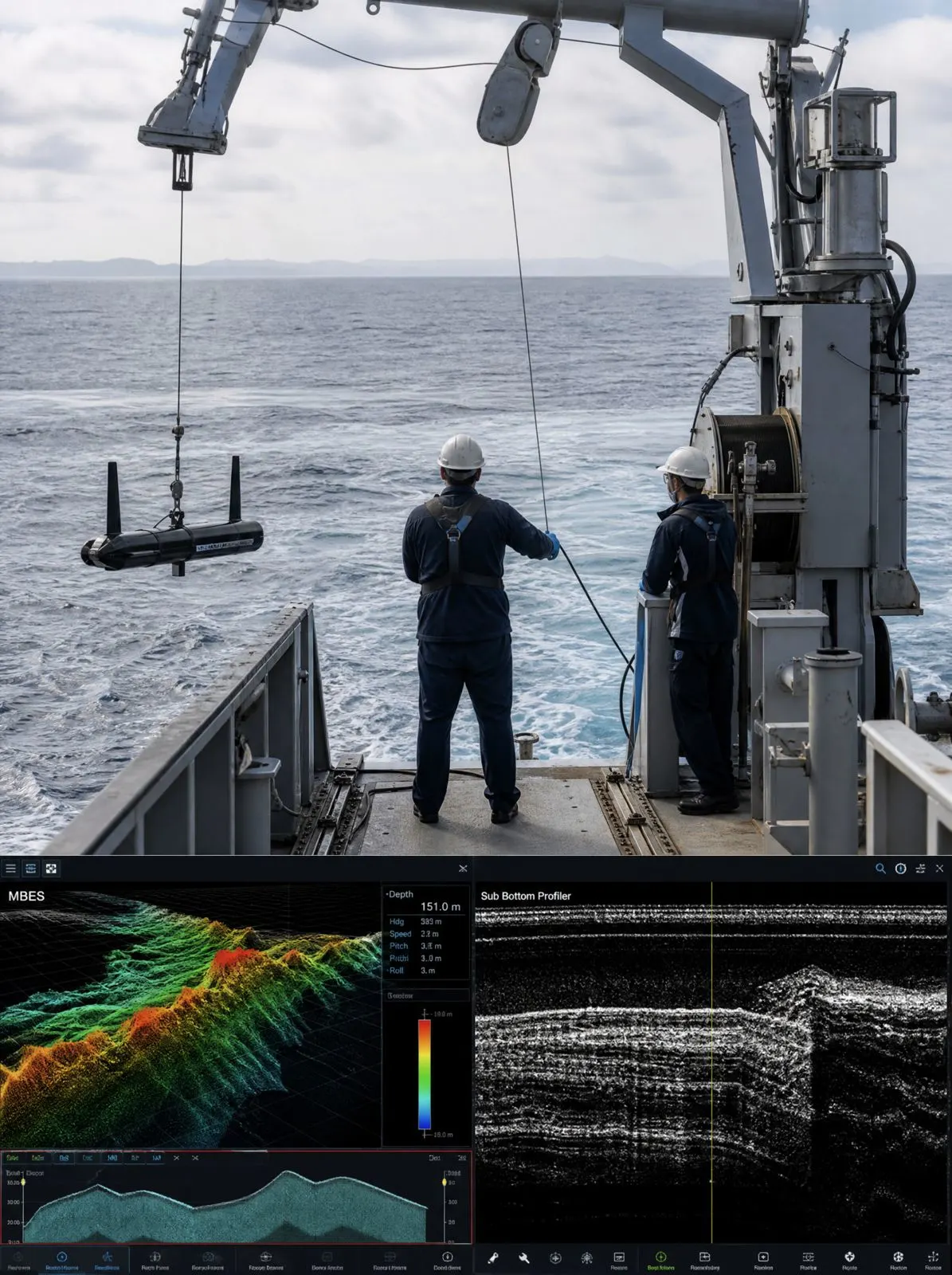
The survey market is healthy across all four global regions, and the supply of experienced Party Chiefs and Survey Engineers who can work across multiple sensor types is tighter than it appears from the outside. That tightness is where the opportunity is.
Dual-platform proficiency is worth significantly more than single-platform certification. Qimera and CARIS, or Qimera and EIVA. The survey contractors running multiple vessel types across multiple survey categories need people who can step onto either platform without a learning curve. Single-platform surveyors are less deployable, and in a market where vessel mobilisation timelines are tight, deployability matters.
Beyond the platform question, GIS capability is increasingly part of what senior survey roles require rather than prefer. ArcGIS or QGIS alongside core hydrographic qualifications. If that is a gap in your profile, it is a closable one.
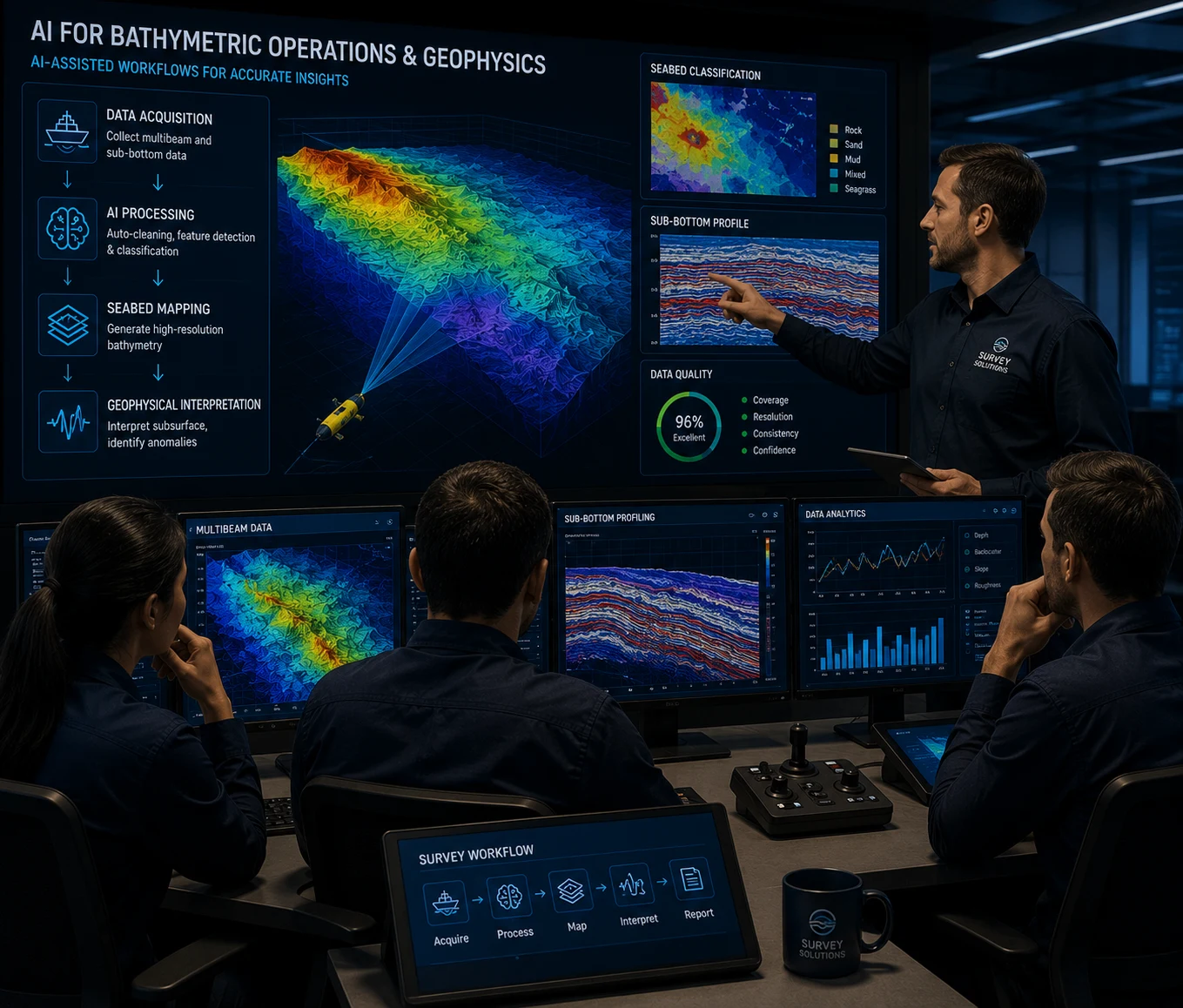
The less obvious differentiator right now is being able to speak intelligently about how the AI classification and processing tools in your software work — not just that you use them, but what they do, where they fail, and how you validate their outputs. Operators are asking these questions in technical assessments. The surveyors who can answer them specifically are getting the senior calls.
2. Marine and Dynamic Positioning (DP)
DP Unlimited is still the qualification with the clearest rate premium across vessel types. The path is long and you already know it.
What is less discussed is the ETO (Electro-Technical Officer) market, which has tightened considerably as older vessels are retrofitted and newer build vessels have more complex integrated navigation and automation systems. ETOs who understand the DP and automation architecture on the vessels they work on — not just the basic electrical qualification — are consistently in shorter supply than the role title suggests.
3. ROV and Inspection
The professionals getting the most interest in this discipline right now are the ones who have worked across both conventional work-class ROV operations and hybrid or autonomous systems. AUV and hybrid ROV operations are becoming more common in inspection and survey — they are not replacing conventional work-class ROV, but the projects that use them want people who understand both. If that experience is not on your CV yet, the contractors who are running these systems are worth approaching directly.
There is also movement on inspection-specific AI certification. It is not yet widespread in role specifications but it is appearing. If you work in inspection, understanding AI-assisted corrosion and structural assessment tools at even a foundational level is a differentiator that will matter more in twelve months than it does today.
4. Offshore Wind
The window to build a genuinely differentiated wind profile is still open, but it is not open indefinitely. GWO Basic Safety Training is the minimum. What operators in APAC — particularly Taiwan and Japan — want beyond that is any international wind experience, multi-OEM familiarity, and HV electrical qualifications for the commissioning and O&M side.
If you have North Sea or European wind experience and are open to APAC deployments, your options are considerably broader than you might expect. The rate premium for experienced wind professionals in Taiwan and Japan reflects genuine scarcity, not the market catching up slowly.